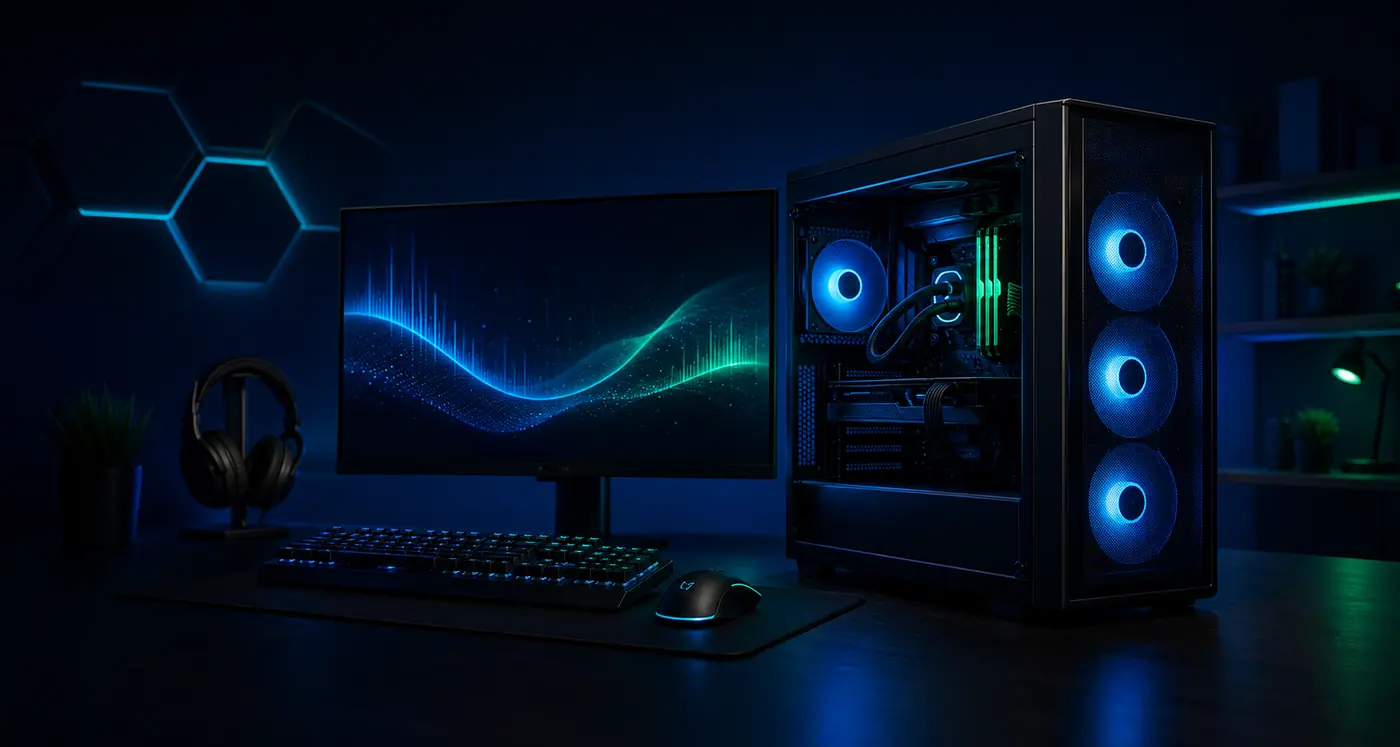
GTA 6 PC requirements and FPS planning
Expected GTA 6 PC specs, GPU/CPU/RAM/SSD planning, and why requirements are not official yet.
GTA 6 PS5 30 FPS and PS5 Pro performance
What current 30 FPS reports mean, why 60 FPS is difficult, and how PS5 Pro may affect image quality.
PS Plus cloud gaming on Steam Deck with Asobi
Requirements, Premium tier, no-PS5 cloud streaming, Remote Play differences, latency, and sign-in safety checks.
Windows 11 KB5121003 game crashes
Current Microsoft status, inpoutx64 and RGB driver clues, affected games, and safe checks after the August 2026 update.
How to boost FPS on a low-end PC safely
Improve playability by reducing load, checking background apps, adjusting in-game settings, and avoiding miracle optimizer claims.
Windows settings for smoother gaming performance
Check Game Mode, startup apps, power mode, updates, and display settings without unstable registry tweaks.
Disable Windows 11 VBS for gaming?
Measure FPS first, check drivers, thermals, refresh rate, Game Mode, and understand the Core Isolation security tradeoff.
Find the bottleneck behind low FPS
Compare CPU, GPU, RAM, storage, heat, and settings clues before upgrading parts.
Improve FPS in competitive games without blur
Tune resolution scale, shadows, effects, and frame limits while keeping visibility readable.
Game keeps crashing on PC
Separate launcher problems, overlays, drivers, runtime packages, corrupted files, heat, and unstable overclocks.
Steam game not launching
Check updates, game files, overlays, permissions, runtimes, and GPU selection before reinstalling everything.
Stop random game crashes after a driver update
Use rollback, clean official reinstall habits, and heat checks after a GPU driver change.
Repair DirectX and runtime errors for games
Understand missing runtime messages, official installers, Windows updates, and why random DLL downloads are unsafe.
Troubleshoot crashes caused by overlays
Disable overlays one at a time and identify conflicts from launchers, capture tools, and performance monitors.
GPU driver update and rollback for FPS drops
Use official GPU driver sources, rollback when needed, and avoid random driver updater tools.
Fix high CPU usage while gaming
Check background tasks, shader compilation, overlays, launchers, cooling, and game settings.
Laptop overheating while gaming
Reduce heat safely before touching firmware, undervolting, or opening the laptop.
Input lag basics for PC games
Check display mode, frame caps, V-Sync, controller connection, Bluetooth, and monitor settings.
On-page checklistChecklist above
Gaming accessory latency and stability basics
Troubleshoot controllers, headsets, dongles, USB hubs, Bluetooth distance, and battery warnings.
On-page checklistChecklist above
Set up a new gaming PC for stable performance
Start with Windows updates, official drivers, display refresh rate, storage, thermals, and restore points.
Optimize a gaming PC without risky registry tweaks
Use safe settings, driver basics, storage cleanup, and background app control instead of hidden tweak packs.
On-page checklistChecklist above
Fix stuttering when FPS looks high
Look at frame pacing, shader compilation, background load, VRAM pressure, storage, and display sync.
Check GPU temperatures while gaming
Understand normal temperature ranges, fan behavior, airflow, dust, and when heat becomes a stop point.
CPU usage at 100 percent in games
Tell the difference between CPU limits, background tasks, shader compilation, and actual instability.
On-page checklistChecklist above
VRAM full warning signs
Spot texture pop-in, stutters, crashes, and settings that overload graphics memory.
On-page checklistChecklist above
Shader compilation stutter explained
Understand why a game stutters after updates and when waiting, cache rebuilds, or settings changes may help.
On-page checklistChecklist above
Gaming power mode checklist
Set sensible Windows power mode, laptop power state, and GPU mode without disabling safety features.
On-page checklistChecklist above
Monitor refresh rate not showing correctly
Check display cable type, Windows display settings, GPU control panel basics, and monitor OSD settings.
On-page checklistChecklist above
Game opens on the wrong monitor
Fix monitor order, full-screen mode, Windows display settings, and launcher preferences.
On-page checklistChecklist above
Fix controller disconnects on PC
Check USB, Bluetooth, batteries, sleep settings, dongle placement, and game input settings.
On-page checklistChecklist above
Audio cuts out while gaming
Separate headset, Bluetooth, game voice chat, Windows sound output, drivers, and USB power saving.
On-page checklistChecklist above
Game crashes after enabling ray tracing
Check VRAM use, drivers, game patches, power, temperature, and safe settings rollback.
On-page checklistChecklist above
PC game freezes but audio continues
Look for graphics driver resets, storage stalls, overlays, thermals, and display mode problems.
On-page checklistChecklist above
Safe graphics settings reset checklist
Reset game settings without deleting saves, then reapply display, audio, and control settings carefully.
On-page checklistChecklist above
When gaming crashes may be hardware
Recognize repeated shutdowns, overheating, power trips, artifacting, storage errors, and memory instability.
On-page checklistChecklist above
 PC Gamer