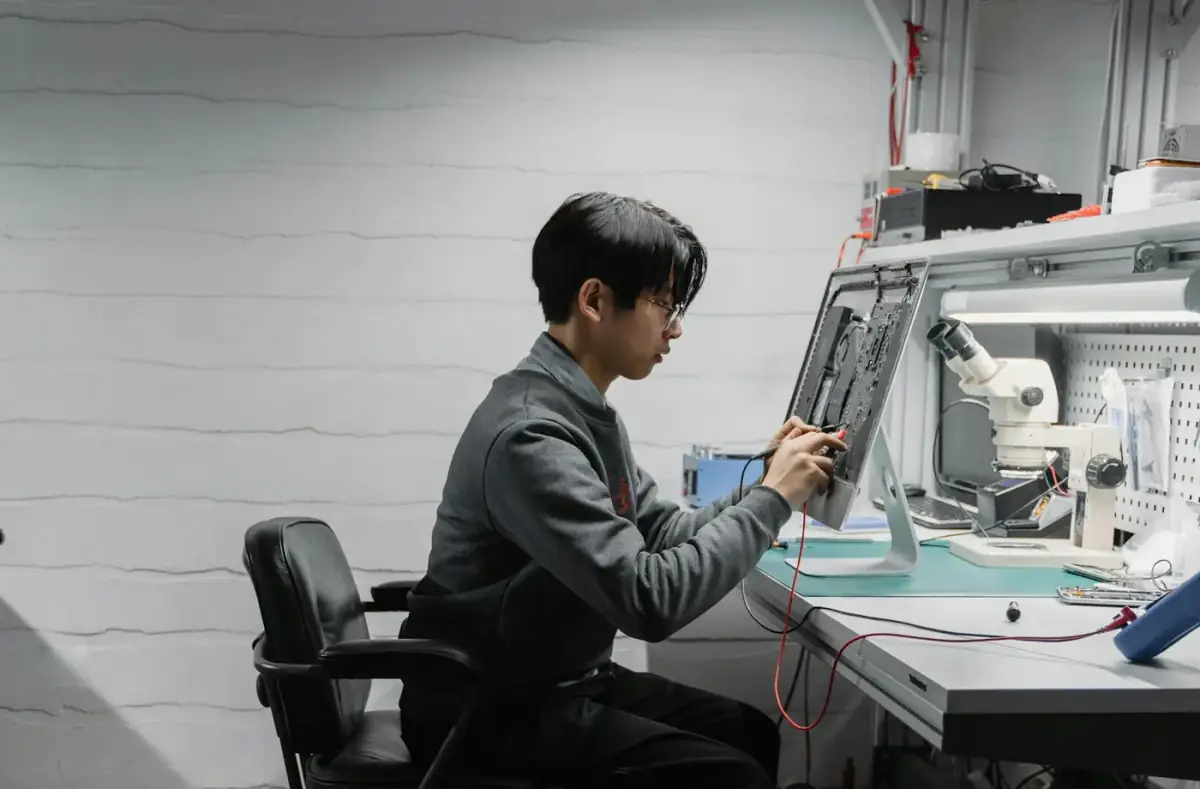
Gaming Accessory Latency and Stability Basics
Troubleshoot controller, headset, dongle, USB hub, Bluetooth, battery, and cable issues that add lag or disconnect during games.
 By NexyFix Mobile and Laptop DeskPhone and Laptop Help EditorPublished Feb 16, 2026Updated Feb 21, 20266 min readBeginnerBeginner friendly
Section 1
Who this guide is for
Use this when a gaming accessory feels delayed, disconnects, drops audio, or behaves differently in one game than another.
- A controller input feels late.
- A headset or earbud cuts out during games.
- A dongle only works in some USB ports.
- Bluetooth works near the PC but fails across the room.
Section 2
Safe first checks
Start with the accessory path before changing game or Windows settings.
- Charge the accessory or use a known-good cable for one test.
- Move USB dongles away from crowded ports and metal obstructions.
- Test one accessory at a time without a hub.
- Disable overlays only for testing if audio or input changes when they are active.
- Update firmware only from the accessory maker when the instructions clearly match your device.
Section 3
Decision path
Use simple yes/no tests to isolate the cause.
- Does wired mode fix the problem? If yes, focus on wireless range, battery, Bluetooth, or dongle placement.
- Does a different USB port fix it? If yes, avoid that hub or front-panel port while gaming.
- Does the issue happen in every game? If no, check that game settings and overlays.
- Does the accessory get hot, swollen, or physically damaged? Stop using it.
Section 4
Mistakes to avoid
Latency fixes should stay reversible.
- Do not install random controller, headset, or Bluetooth driver packs.
- Do not stack multiple overlays while testing.
- Do not keep using swollen batteries, damaged cables, or loose charging ports.
- Do not assume a new accessory fixes a bad USB hub or interference problem.
Section 5
When to stop
Stop when the symptom points to hardware safety or account/device-specific support.
- Stop for heat, swelling, burning smell, liquid damage, or damaged ports.
- Stop before opening accessories with built-in batteries.
- Ask official support if firmware update instructions are unclear.
FAQ
Is Bluetooth always too slow for gaming?
Not always, but Bluetooth can add latency or dropouts depending on adapter quality, distance, battery, interference, and the accessory profile.
Can a USB hub cause input lag?
Yes. Hubs, crowded front-panel ports, and weak cables can cause disconnects or unstable polling. Test directly on the PC first.
Should I install third-party driver tools?
No. Use Windows settings, the accessory maker support page, and one-change-at-a-time testing instead.
Was this helpful?
Your feedback helps NexyFix improve future repair guides and beginner explanations.

NexyFix Mobile and Laptop Desk
View author profilePhone and Laptop Help Editor
A role-based NexyFix editorial profile for beginner-friendly phone, charging, Bluetooth, storage, and laptop maintenance explanations with safety notes first.
Related articles
 Game CrashesTroubleshoot Crashes Caused by OverlaysFind overlay-related crashes by testing launchers, capture tools, performance monitors, and chat overlays one at a time.
 Driver ProblemsBluetooth Not Working on Windows 11: Safe FixesFix Windows 11 Bluetooth not working with toggle, airplane mode, pairing, services, Device Manager, and official driver checks.Gaming PC OptimizationDisable Windows 11 VBS for Gaming? What to Check FirstBefore disabling Windows 11 VBS for gaming, check FPS, drivers, thermals, refresh rate, Game Mode, and security tradeoffs.