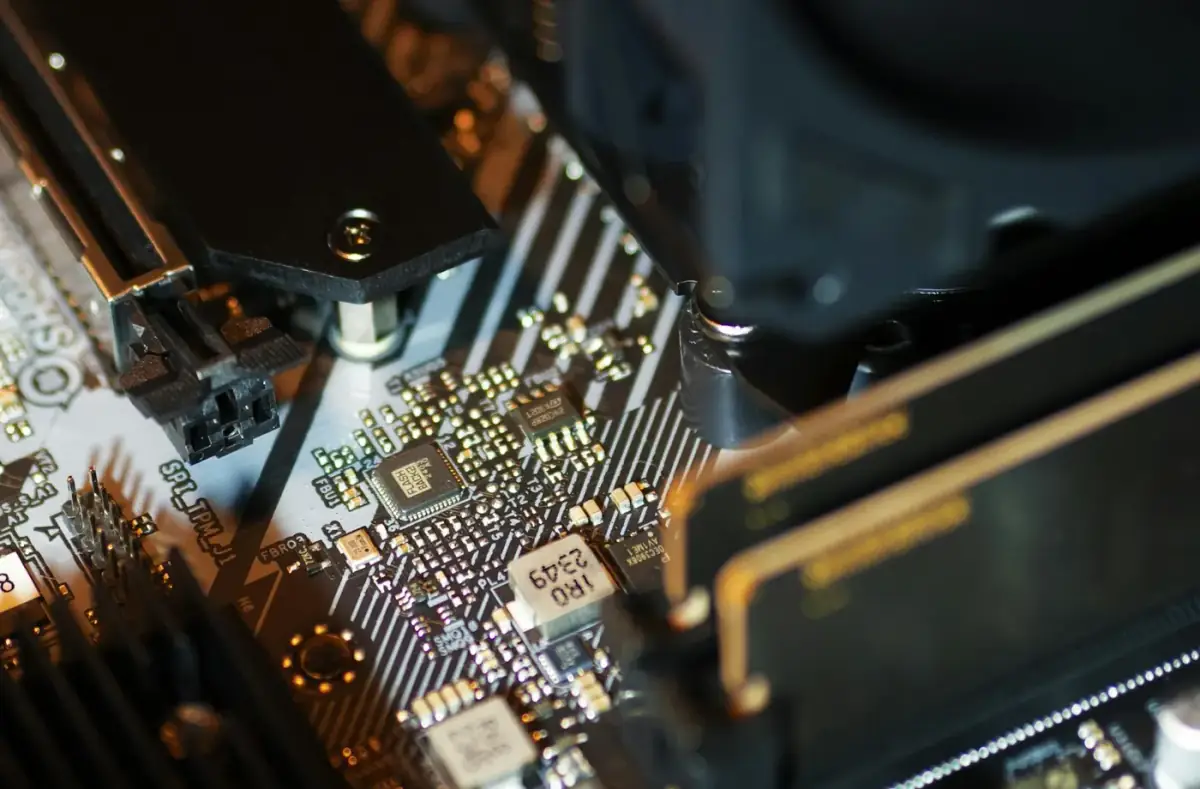
RAM Problem Symptoms on a Desktop PC
Recognize memory-related boot loops, blue screens, freezes, and debug lights before reseating or replacing RAM.
 By NexyFix Hardware and Boot DeskBoot and Hardware Education EditorPublished May 6, 2026Updated May 6, 20269 min readBeginnerUpdated recentlyBeginner friendly
Guided repair
RAM problem symptoms on a desktop PC
Use this when a desktop boot loops, freezes, blue screens, or shows a DRAM debug light. The goal is to identify memory clues without unsafe voltage changes or random part swapping.
Time needed
20-45 minutes
Difficulty
Beginner
Risk level
Low
Applies to
Symptoms
- DRAM debug light
- Boot loops
- Random freezes
- Blue screens
- Crashes after enabling memory profile
Common causes
- Loose RAM
- Wrong slot order
- Unstable memory profile
- Mixed kits
- Failing stick
- Motherboard slot issue
Before you start
Prepare a safe repair session
- Power off and unplug before touching RAM.
- Use the motherboard manual for slot order.
- Avoid manual voltage changes.
- Change one thing at a time, then test the same symptom before moving on.
Quick path
Try the safest checks first
Step 1
Tie the symptom to a recent memory change
RAM issues are easier to isolate when they began after adding, moving, or changing settings.
Exact path to follow
- 1Write down when the issue began.
- 2Note whether RAM was added or moved.
- 3Note whether XMP or EXPO was enabled.
- 4Do not change hardware yet.
Expected result
You know whether RAM is the likely first suspect.
If it worked
Continue with default setting checks.
If it did not work
Use the broader blue-screen or no-display guide.
Did the issue begin after RAM hardware or memory profile changes?
Yes
Return memory settings to default or reseat only if comfortable.
No
Check stop codes, drivers, heat, and storage too.
Step 2
Return memory settings to default if BIOS opens
An unstable memory profile can cause crashes even when the RAM is not physically bad.
Exact path to follow
- 1Enter BIOS/UEFI only if the PC displays.
- 2Write down current memory profile setting.
- 3Load defaults or turn off the memory profile.
- 4Save only if you understand the change.
Expected result
The PC tests with conservative memory settings.
If it worked
Keep defaults until stable.
If it did not work
Move to power-off reseating checks if comfortable.
Did the quick path fix the problem?
Yes
Stop here and write down what worked.
No
Continue with the detailed steps below.
Detailed steps
Move one step at a time
Step 3
Reseat one RAM stick safely
A loose stick can stop POST or cause freezes, but the PC must be unplugged first.
Exact path to follow
- 1Shut down and unplug.
- 2Press the power button once after unplugging.
- 3Release the slot latches gently.
- 4Reseat one stick in the manual-recommended slot.
- 5Test before adding others.
Expected result
Loose seating is corrected or ruled out.
If it worked
Add sticks back one at a time.
If it did not work
Try one known stick at a time if comfortable.
Step 4
Watch for repeatable crash patterns
Memory-like symptoms can overlap with storage, GPU drivers, and heat.
Exact path to follow
- 1Record stop code or app crash text.
- 2Note whether crashes happen at idle or under load.
- 3Use the Windows blue-screen guide if codes appear.
- 4Use temperature checks if crashes follow heat.
Expected result
RAM is not blamed for every crash without evidence.
If it worked
Follow the matching guide.
If it did not work
Ask for help with memory testing or hardware diagnosis.
Advanced checks
Use only after the safe path
Step 5
Use deeper memory testing only when data is safe
Long memory tests can take time and may reveal hardware problems that need replacement decisions.
Exact path to follow
- 1Back up important data first.
- 2Use built-in or trusted diagnostic options only.
- 3Test one configuration at a time.
- 4Stop if errors repeat on one stick or slot.
Expected result
Testing isolates a stick, slot, or settings problem.
If it worked
Replace or avoid the failing configuration.
If it did not work
Ask a technician for motherboard or CPU memory-controller diagnosis.
Stop here
Stop before forcing memory hardware
RAM troubleshooting is safe only when powered off and gentle.
- Burning smell, sparks, swollen battery, liquid damage, clicking storage, or repeated shutdowns.
- A step requires opening hardware you are not comfortable opening.
- Important data is not backed up before storage, reset, or reinstall work.
Mistakes to avoid
- Do not raise memory voltage casually.
- Do not mix several changes at once.
- Do not blame RAM without recording stop codes.
- Do not force sticks into the wrong slots.
When to ask a technician
- Bent pins or damaged slots.
- Errors follow one motherboard slot.
- PC will not POST with known-good RAM.
- You are not comfortable reseating parts.
Guided repair FAQ
Can RAM cause no display?
Yes. A desktop can power on without display if memory is loose, in the wrong slot, or unstable.
Can a memory profile cause crashes?
Yes. XMP or EXPO can be unstable on some combinations. Defaults are safer for troubleshooting.
Should I use a one-click repair tool for RAM problems?
No. Start with built-in settings, official support paths, careful observation, and reversible changes. Unknown repair tools can add new problems.
What is the safest way to test the fix?
Change one thing, test the same symptom, and stop when the problem is fixed. If the next step risks data, firmware, battery, power, or storage, pause first.
Related guides
Was this helpful?
Your feedback helps NexyFix improve future repair guides and beginner explanations.
NexyFix Hardware and Boot Desk
View author profileBoot and Hardware Education Editor
A role-based NexyFix editorial profile for storage compatibility, boot behavior, error codes, and when hardware symptoms need professional help.
Related articles
 PC Windows FixesPC Turns On But No Display: Safe ChecksFix a PC that turns on but has no display with monitor, HDMI/DisplayPort, GPU port, RAM, debug-light, and safe stop checks.
 PC Windows FixesDesktop PC Randomly Shuts Down: Safe ChecklistSeparate heat, power, wall outlet, driver, and storage clues before assuming a major desktop part has failed.
 PC Windows FixesWindows 11 WiFi Connected But No Internet FixesFix Windows 11 WiFi connected but no internet with router checks, DNS, VPN/proxy, adapter, driver, and safe reset steps.