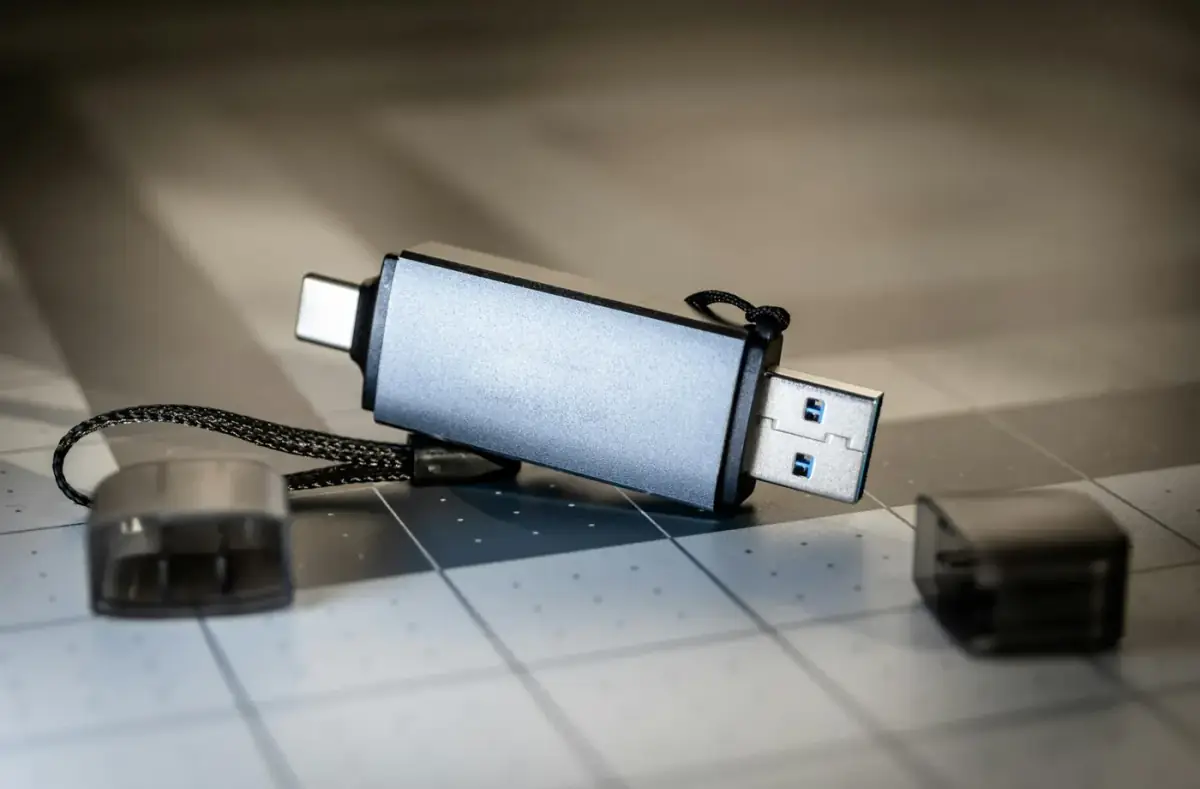
Create a Reliable Bootable Windows USB Without Losing Data
Create a reliable Windows USB installer while avoiding modified images, weak USB drives, and accidental data loss.
 By NexyFix Windows DeskWindows Repair EditorPublished Apr 27, 2026Updated Sep 1, 20269 min readBeginnerUpdated recentlyBeginner friendly
Quick answer
A good bootable Windows USB starts with a trusted Windows source, an empty USB drive, stable power, and a simple test in the one-time boot menu before you change BIOS settings or delete partitions.
- Use this guide when you need a Windows installer or recovery USB for a PC that will not boot, a clean install, or a setup repair.
- The USB creation process erases the USB drive, so move anything important off it first.
- If Windows Setup later shows no internal drive, stop and diagnose storage detection before formatting anything.
Before you start
Separate the USB creation task from the Windows installation task. Making boot media is usually low risk for the computer, but Windows Setup can become high risk if you choose the wrong drive or delete partitions without a backup.
- Move files off the USB drive before creating the installer.
- Back up files on the target PC before reinstalling Windows or deleting partitions.
- Use a trusted Windows source and avoid modified installer images from unknown sites.
- Keep the laptop or desktop plugged into stable power while creating media and running setup.
- Write down the PC model, storage drive size, and current Windows version if you are repairing an existing system.
What can go wrong
Most bootable USB failures are caused by an incomplete media creation, a weak USB drive, a bad port, boot menu confusion, or a storage problem that appears only after Windows Setup starts.
| Symptom | Likely cause | Safe first check |
|---|---|---|
| USB does not appear in boot menu | Wrong boot entry, bad port, weak USB drive, or failed creation | Try the one-time boot menu, a direct rear USB port on desktops, and recreate the installer |
| Windows Setup starts but restarts to the beginning | PC booted from USB again after first reboot | Remove the USB when Windows asks to restart or choose the internal drive next |
| Setup says no drives were found | Storage controller driver, VMD/RST mode, BIOS detection, or SSD issue | Stop and check whether BIOS sees the drive before deleting anything |
| Setup asks for a media or storage driver | Missing storage driver, corrupted installer, or wrong USB creation | Recreate the USB first, then use the storage-driver guide if the SSD is still missing |
| Installer freezes or fails repeatedly | Unreliable USB drive, port issue, unstable PC, or damaged install media | Use another USB drive and avoid hubs before changing firmware settings |
Create the installer
Create the USB on a working computer and let the creation tool finish fully before unplugging the drive. A partially written installer can boot once and then fail during setup.
- Choose an empty, reliable USB drive that you do not need for backups.
- Create the installer from a trusted Windows source.
- Wait for the tool to say the USB is complete instead of removing it early.
- Safely eject the USB drive after creation.
- Avoid using the same USB drive as your only backup copy.
Test the USB before changing BIOS settings
The safest test is the one-time boot menu. It lets you choose the USB for this boot without permanently changing the PC startup order.
- Plug the USB directly into the target PC instead of a hub.
- Use a rear motherboard USB port on desktops if front ports behave strangely.
- Open the one-time boot menu using the key shown by the device maker, often F12, F11, F8, Esc, or Del depending on the PC.
- Choose the entry that clearly represents the USB drive.
- If there are UEFI and legacy entries, Windows 11 normally belongs on the UEFI path.
If Windows Setup shows no drives
Do not treat a missing drive as a formatting problem. If Windows Setup cannot see the internal SSD or NVMe drive, the next step is storage detection, not deleting partitions.
- Check whether BIOS/UEFI sees the internal drive.
- If BIOS sees an NVMe SSD but Windows Setup does not, the PC may need an Intel RST/VMD storage driver.
- If BIOS does not see the drive, Windows Setup cannot fix the hardware detection problem.
- Stop before running disk commands, formatting, or deleting partitions when the drive identity is unclear.
Common mistakes to avoid
Boot media problems get worse when several unrelated settings are changed at once. Keep the test narrow so you can undo each step.
- Do not use random ISO images, modified installers, or unknown driver packs.
- Do not store your only backup on the USB installer.
- Do not change Secure Boot, TPM, storage mode, and partition style at the same time.
- Do not delete partitions just because the installer starts successfully.
- Do not assume the USB is bad if the real problem is an SSD missing from BIOS.
When to stop
Pause before a boot-media task turns into risky storage repair. The installer is only a tool; it cannot make unsafe data-loss decisions for you.
- Stop if the target drive is missing in BIOS/UEFI or Windows Setup.
- Stop before deleting partitions without a verified backup.
- Stop if the PC shuts down, overheats, smells burned, or behaves unstable during setup.
- Ask for help if firmware menus do not match the guide or the device maker documentation.
- Use professional repair help if the drive contains important data and detection is inconsistent.
FAQ
Does creating a bootable Windows USB erase the USB drive?
Yes. Creating bootable Windows media normally erases the USB drive. Move important files off the USB before you start.
Why does my bootable USB not appear?
Common causes include a failed creation process, a weak USB drive, a bad USB port, a confusing boot entry, or a boot mode mismatch. Try the one-time boot menu and recreate the installer before changing firmware settings.
Should I use a modified Windows image?
No. Use trusted Windows media so setup behavior is predictable, safer, and easier to support. Modified installers can include unknown changes.
What should I do if Windows Setup shows no drives?
Stop before deleting partitions. Check whether BIOS sees the SSD or NVMe drive. If BIOS sees it but Setup does not, you may need a storage controller driver such as Intel RST or VMD.
Can I delete partitions during setup?
Only when you have a verified backup and are certain which drive is the target. Deleting the wrong partition can erase files permanently.
Was this helpful?
Your feedback helps NexyFix improve future repair guides and beginner explanations.
NexyFix Windows Desk
View author profileWindows Repair Editor
A role-based NexyFix editorial profile for practical Windows repair and install guides with a focus on safe, reversible troubleshooting.
Related articles
Bootable USBBootable USB Not Showing in Boot MenuTroubleshoot a missing boot USB with port, boot menu, UEFI mode, media creation, and firmware checks before changing storage settings. Windows InstallationWindows 11 NVMe Driver Missing? Fix Setup No Drives FoundWindows 11 Setup not showing your NVMe SSD? Learn how to fix no drives found by loading Intel RST/VMD drivers, changing BIOS settings, or recreating the USB installer.Windows InstallationHow to Install Windows 11 From USB SafelyInstall Windows 11 from a USB installer with clear backup, boot menu, drive selection, and stop-point guidance.