
Boot Error 0xc000000f: Safe Recovery Checklist
A safe first-response guide for 0xc000000f boot configuration errors, storage detection, boot order, and recovery choices.
 By NexyFix Hardware and Boot DeskBoot and Hardware Education EditorPublished May 6, 2026Updated May 6, 20269 min readIntermediateUpdated recently
Guided repair
Boot error 0xc000000f
Use this when Windows shows 0xc000000f during boot. It usually means boot information could not be found or used, but the safe path starts with USB devices, boot order, storage detection, and Startup Repair.
Time needed
20-60 minutes
Difficulty
Intermediate
Risk level
Medium
Applies to
Symptoms
- Recovery screen with 0xc000000f
- Boot loop
- Problem after adding or moving drives
- Internal drive missing from boot list
Common causes
- Wrong boot device
- Disconnected or failing drive
- Changed boot order
- Damaged boot files
- External USB confusion
- Recent clone or partition change
Before you start
Prepare a safe repair session
- Back up important files before reset, reinstall, partition, firmware, or storage steps.
- Disconnect nonessential USB drives.
- Write down the exact recovery message.
- Do not delete EFI or recovery partitions.
Quick path
Try the safest checks first
Step 1
Remove USB boot confusion
The PC may be trying to boot from the wrong device or a leftover installer.
Exact path to follow
- 1Power off.
- 2Unplug external drives and installer USBs.
- 3Start the PC once.
- 4Note whether the error changes.
Expected result
External boot confusion is ruled in or out.
If it worked
Reconnect devices after Windows starts.
If it did not work
Check BIOS/UEFI storage detection.
Did removing USB devices let Windows boot?
Yes
Stop and check boot order later if needed.
No
Check whether firmware sees the internal drive.
Step 2
Confirm the internal drive appears in BIOS/UEFI
Startup Repair cannot fix a drive firmware cannot see.
Exact path to follow
- 1Enter BIOS/UEFI.
- 2Find storage or boot information.
- 3Look for the internal drive model.
- 4Exit without saving if no changes are needed.
Expected result
You know whether storage detection is the issue.
If it worked
Use Startup Repair or boot order checks.
If it did not work
Stop and use storage detection guide.
Did the quick path fix the problem?
Yes
Stop here and write down what worked.
No
Continue with the detailed steps below.
Detailed steps
Move one step at a time
Step 3
Choose the internal Windows drive once
A changed boot order can cause boot errors without damaged Windows files.
Exact path to follow
- 1Open the one-time boot menu.
- 2Choose the internal Windows drive or Windows Boot Manager.
- 3Do not change multiple BIOS settings.
- 4Observe the result.
Expected result
Boot order is tested safely.
If it worked
Set boot order carefully later if needed.
If it did not work
Use Startup Repair.
Step 4
Try Startup Repair before manual boot commands
Startup Repair is safer for beginners than typing boot commands on the wrong drive.
Exact path to follow
- 1Boot to Windows Recovery or installer recovery.
- 2Choose repair options.
- 3Run Startup Repair once.
- 4Write down the result.
Expected result
Windows attempts boot repair safely.
If it worked
Back up files after booting.
If it did not work
Stop before delete/reset decisions and gather the error.
Advanced checks
Use only after the safe path
Step 5
Plan backup before reset or reinstall
Boot errors can involve important data on the internal drive.
Exact path to follow
- 1Do not delete partitions.
- 2Back up files from recovery media if needed.
- 3Use storage safety guide before reinstall.
- 4Ask for help if files matter.
Expected result
Data loss is avoided while repair continues.
If it worked
Proceed with a safe repair plan.
If it did not work
Do not reinstall over unbacked-up files.
Stop here
Stop before data-loss boot repair
0xc000000f is a boot clue. Do not turn it into accidental partition loss.
- Burning smell, sparks, swollen battery, liquid damage, clicking storage, or repeated shutdowns.
- A step requires opening hardware you are not comfortable opening.
- Important data is not backed up before storage, reset, or reinstall work.
Mistakes to avoid
- Do not delete EFI partitions.
- Do not repeatedly force power off.
- Do not change many BIOS settings.
- Do not reinstall before backup.
When to ask a technician
- Drive missing from BIOS.
- Drive clicks or disappears.
- Files matter and Windows will not boot.
- Startup Repair fails repeatedly.
Guided repair FAQ
Is 0xc000000f always a failed drive?
No. It can be boot order, boot files, external device confusion, or storage detection.
Should I run boot commands?
Not first. Try storage detection and Startup Repair. Manual boot commands can be risky on the wrong drive.
Should I use a one-click repair tool for 0xc000000f?
No. Start with built-in settings, official support paths, careful observation, and reversible changes. Unknown repair tools can add new problems.
What is the safest way to test the fix?
Change one thing, test the same symptom, and stop when the problem is fixed. If the next step risks data, firmware, battery, power, or storage, pause first.
Related guides
Was this helpful?
Your feedback helps NexyFix improve future repair guides and beginner explanations.
NexyFix Hardware and Boot Desk
View author profileBoot and Hardware Education Editor
A role-based NexyFix editorial profile for storage compatibility, boot behavior, error codes, and when hardware symptoms need professional help.
Related articles
 PC Windows FixesWindows 11 Not Booting: Safe Startup Repair ChecklistA beginner-safe startup checklist for a Windows 11 PC that powers on but cannot reach the desktop.
 Windows InstallationSSD or NVMe Not Detected in BIOS: Safe ChecksCheck why BIOS or UEFI cannot see an SSD or NVMe, with M.2 slot, SATA cable, storage-mode, and stop-before-formatting steps.
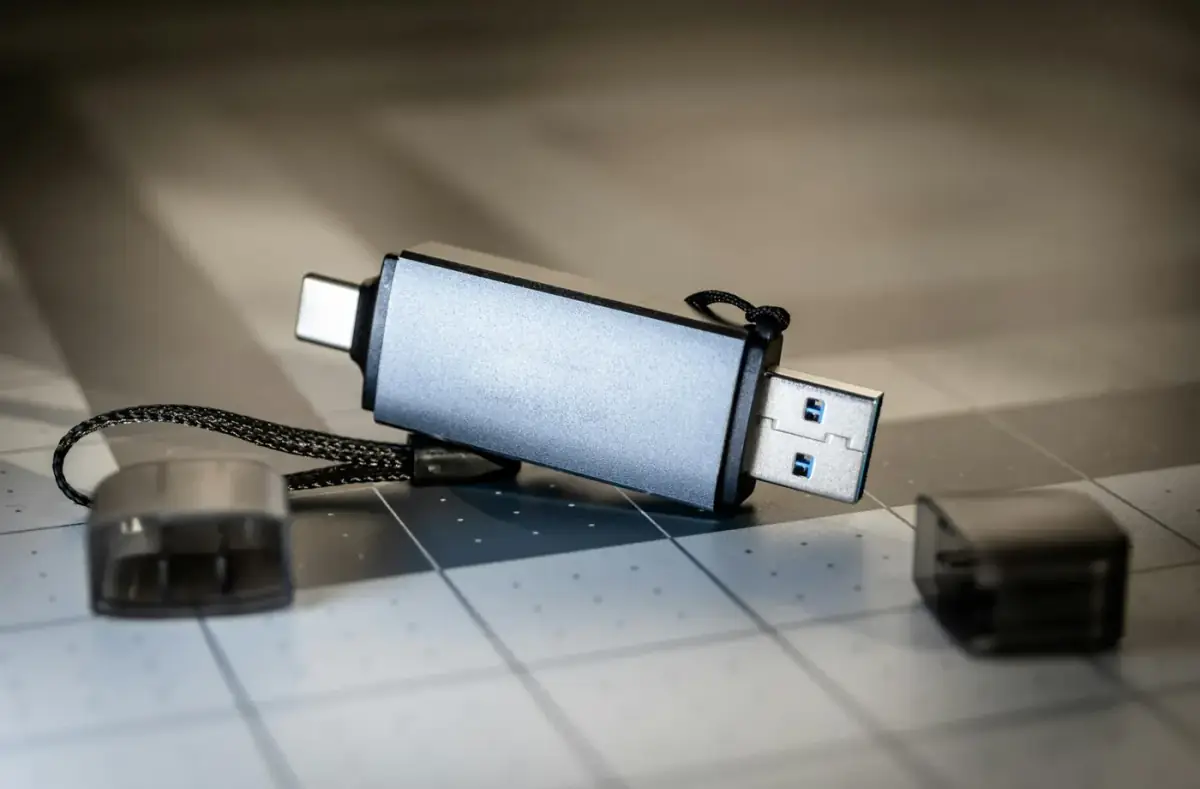 Bootable USBBootable USB Not Showing in Boot MenuTroubleshoot a missing boot USB with port, boot menu, UEFI mode, media creation, and firmware checks before changing storage settings.