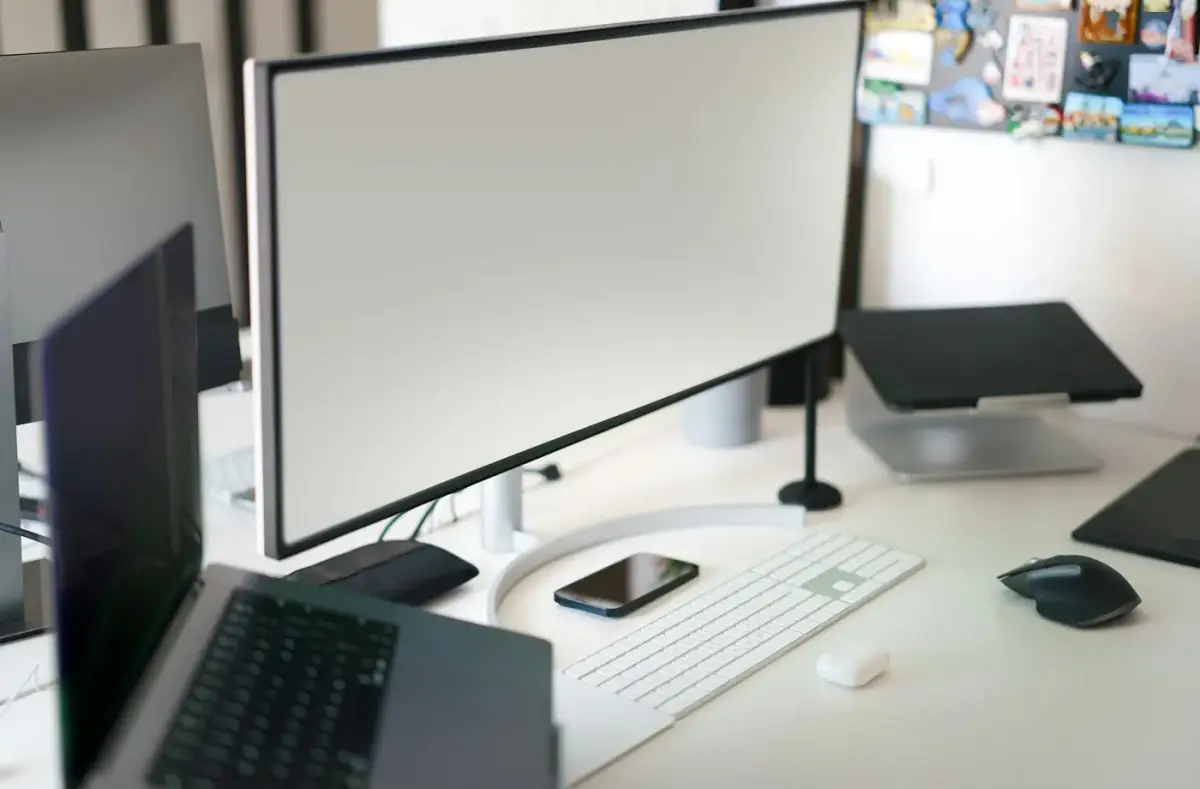
Update Chipset Drivers Without Breaking Stability
Update chipset drivers from official PC or motherboard support paths while avoiding random driver tools and knowing when rollback makes sense.
 By NexyFix Hardware and Boot DeskBoot and Hardware Education EditorPublished Apr 16, 2026Updated Apr 22, 202610 min readIntermediateUpdated recently
Guided repair
Update chipset drivers without breaking stability
Use this when USB, sleep, storage, power management, device detection, or gaming stability problems may involve chipset drivers. The safe path is to identify the exact PC or motherboard model, use the manufacturer support page, update only what is relevant, and roll back only when the timing clearly points to the driver.
Time needed
20-45 minutes
Difficulty
Intermediate
Risk level
Medium
Applies to
Symptoms
- USB devices disconnect
- Sleep or wake becomes unstable
- Storage behavior changes after install
- Device Manager has unknown devices
- Gaming stutter starts after driver changes
Common causes
- Missing motherboard or laptop chipset package
- Wrong model driver
- Windows installed a generic driver
- Recent driver regression
- BIOS and driver mismatch
- Fake driver updater installed bad packages
Before you start
Prepare a safe repair session
- Create a restore point before driver changes.
- Write down the exact PC, laptop, or motherboard model.
- Close work and save files.
- Change one thing at a time, then test before moving to the next step.
- Do not use fake driver updater, repair, optimizer, or registry-cleaner tools.
Quick path
Try the safest checks first
Step 1
Decide whether chipset drivers are actually relevant
Chipset drivers affect motherboard platform behavior, not every random Windows problem.
Exact path to follow
- 1List the symptom: USB, storage, sleep, power, PCIe, unknown device, or platform stability.
- 2Check Device Manager for unknown devices or recent driver timing.
- 3Do not update chipset drivers just because a random tool says so.
- 4If the PC is stable, do not change drivers casually.
Expected result
You know whether chipset drivers are a reasonable next step.
If it worked
Continue only if the symptom fits.
If it did not work
Use a more specific guide for audio, WiFi, Bluetooth, or GPU problems.
Does the symptom involve platform, USB, storage, sleep, power, or unknown devices?
Yes
Continue with the official model-specific source flow.
No
Do not change chipset drivers for this symptom yet.
Step 2
Find the official source for the exact model
A chipset package for a similar model can create instability or fail to install cleanly.
Exact path to follow
- 1For laptops, use the laptop maker support page for the exact model or service tag.
- 2For desktops, use the motherboard maker support page for the exact board revision.
- 3Use AMD or Intel only when the device maker path is unclear and the platform matches.
- 4Download only the relevant chipset package.
Expected result
You have a model-matched driver source.
If it worked
Install the official package.
If it did not work
Stop until the exact model is known.
Did the quick path fix the problem?
Yes
Stop here and write down what worked.
No
Continue with the detailed steps below.
Detailed steps
Move one step at a time
Step 3
Install one chipset package and restart
Driver changes need a clean test. Stacking several packages hides what helped or hurt.
Exact path to follow
- 1Save work.
- 2Run the official chipset installer.
- 3Accept only the driver package you meant to install.
- 4Restart when prompted.
- 5Test the original symptom before changing anything else.
Expected result
The chipset package is installed and tested cleanly.
If it worked
Stop if the device is stable now.
If it did not work
Continue with rollback or support only if instability began after this install.
Is the device stable now?
Yes
Stop and keep notes on the installed package.
No
Use rollback only if the problem clearly started after this driver.
Step 4
Use rollback only for a clear driver regression
Rollback is useful when a known update made the system worse, not as a random troubleshooting step.
Exact path to follow
- 1Open Device Manager.
- 2Find the affected platform, USB, storage, or system device if it is clear.
- 3Use Roll Back Driver only when available and the timing matches.
- 4Restart and test once.
Expected result
A bad recent driver is reversed without guessing.
If it worked
Stop if stability returns.
If it did not work
Use the official older package or manufacturer support if rollback is unavailable.
Step 5
Check Windows Update after the manufacturer driver
Normal Windows updates can provide complementary device updates, but they should not replace model-specific support work.
Exact path to follow
- 1Open Windows Update.
- 2Install normal pending updates.
- 3Review optional driver updates carefully.
- 4Avoid installing every optional driver just because it is listed.
Expected result
Windows is current without random driver stacking.
If it worked
Stop if stable.
If it did not work
Use the exact symptom guide next.
Advanced checks
Use only after the safe path
Step 6
Stop before BIOS updates unless the support note matches
BIOS updates can affect chipset behavior, but they carry more risk than normal drivers.
Exact path to follow
- 1Read the motherboard or laptop support notes.
- 2Confirm the update applies to your exact model and symptom.
- 3Keep power stable.
- 4Do not update BIOS just to try something.
Expected result
You know whether firmware is truly relevant.
If it worked
Follow official instructions only if the note matches.
If it did not work
Ask support before firmware changes.
Stop here
Stop before driver stacking or firmware changes
Chipset work should be exact-model, reversible, and tested one change at a time.
- Stop if the exact model is unknown.
- Stop before BIOS updates without matching support notes.
- Stop before uninstalling system devices randomly.
Mistakes to avoid
- Do not use fake driver updater, repair, optimizer, or registry-cleaner tools.
- Do not install drivers for a similar model.
- Do not update every optional driver at once.
- Do not use BIOS updates as a first step.
When to ask a technician
- The PC will not boot after a driver or firmware change.
- USB, storage, or sleep problems continue after exact-model drivers.
- The device is managed by work or school.
- Firmware update notes are unclear.
Guided repair FAQ
What do chipset drivers do?
They help Windows communicate with motherboard platform features such as USB, PCIe, storage controllers, power behavior, and system devices.
Should I update chipset drivers if everything works?
Usually no. Update for a relevant symptom, a clean Windows install with missing devices, or official support guidance.
Can I use a driver updater?
No. Use the laptop maker, motherboard maker, or official platform source for the exact hardware.
Should I use a random tool to fix chipset driver problems?
No. Start with built-in settings, official support paths, reversible checks, and known-good cables or accessories. Unknown repair tools often add risk without proving the cause.
What is the safest way to test?
Change one thing, test the same symptom, and stop when the problem is fixed. Avoid stacking several changes because you will not know what helped.
Related guides
Was this helpful?
Your feedback helps NexyFix improve future repair guides and beginner explanations.
NexyFix Hardware and Boot Desk
View author profileBoot and Hardware Education Editor
A role-based NexyFix editorial profile for storage compatibility, boot behavior, error codes, and when hardware symptoms need professional help.
Related articles
 Driver ProblemsGPU Driver Update and Rollback Guide for FPS DropsUpdate or roll back GPU drivers safely when FPS drops, stutter, crashes, or display problems start after a graphics change.Driver ProblemsFix Missing WiFi Driver After Windows InstallFix missing WiFi after a Windows install by checking airplane mode, adapter state, Windows Update, and official network drivers.
 Driver ProblemsBluetooth Not Working on Windows 11: Safe FixesFix Windows 11 Bluetooth not working with toggle, airplane mode, pairing, services, Device Manager, and official driver checks.