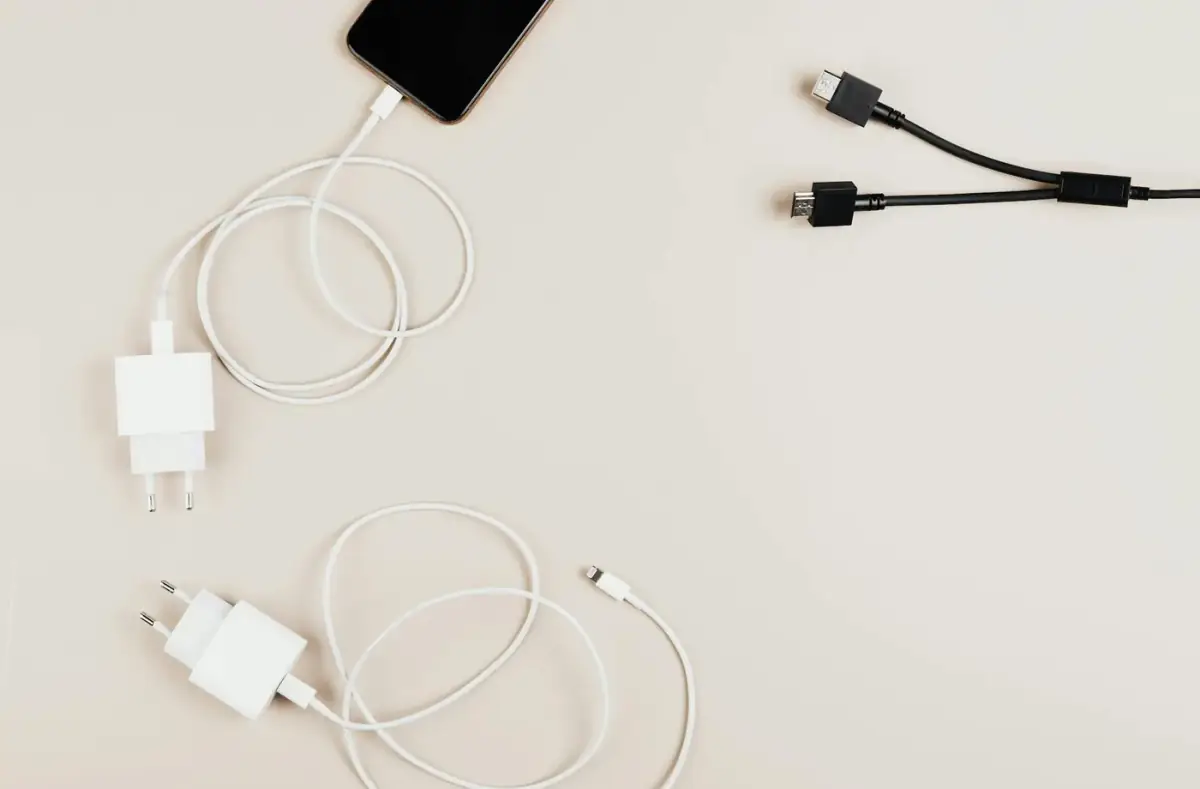
Multi-Port Charging Safety and Port Sharing Explained
Learn why multi-port chargers split power, when charging slows down, and what heat or cable symptoms mean you should stop.
 By NexyFix Mobile and Laptop DeskPhone and Laptop Help EditorPublished Mar 24, 2026Updated Mar 29, 20265 min readBeginnerBeginner friendly
Section 1
Simple explanation
Multi-Port Charging Safety and Port Sharing Explained focuses on safe phone and accessory behavior, not item rankings.
Section 2
Why it matters
Charging, cases, and accessories affect heat, connection reliability, and everyday device safety.
Section 3
What to check first
Check the basics before replacing parts, resetting devices, or changing firmware settings.
- Inspect ports, cables, and cases for damage.
- Back up data before reset steps.
- Stop using anything that swells, smells, sparks, or overheats.
- Use official phone support for model-specific behavior.
Section 4
Safe steps
Use these steps to make a calm decision without rushed replacements or risky shortcuts.
- Test with one known-good accessory.
- Remove cases or accessories when troubleshooting heat.
- Check phone settings before replacing anything.
- Keep charging away from soft surfaces and high heat.
Section 5
Common mistakes
These mistakes can waste time or make a simple problem harder to diagnose.
- Do not force connectors.
- Do not ignore battery swelling.
- Do not assume speed claims mean safety or compatibility.
Section 6
Beginner notes
Use model-specific official support pages when a step depends on your exact PC, laptop, phone, or accessory.
- Charging speed can change with temperature and battery level.
- Cable and port condition matter.
- Accessories should not block buttons, ports, or airflow.
Section 7
When to stop
Stop before a learning guide turns into a risky repair job.
- Stop for liquid damage, burning smell, swollen batteries, clicking storage noises, or repeated shutdowns.
- Stop before deleting data, partitions, or backups you cannot replace.
- Ask a technician when the next step requires opening hardware or using tools you do not have.
FAQ
Do I need to replace anything after reading Multi-Port Charging Safety and Port Sharing Explained?
Not automatically. The point is to understand compatibility, symptoms, and safe checks before deciding whether repair, replacement, or professional diagnosis makes sense.
Can I skip the backup and safety steps?
Do not skip them when storage, reset, reinstall, firmware, or account access is involved. A short backup check can prevent a simple fix from becoming data loss.
Where should I verify model-specific details?
Use official support pages from Microsoft, Apple, Google, your laptop maker, motherboard maker, or GPU maker when a step depends on exact hardware or software version.
Was this helpful?
Your feedback helps NexyFix improve future repair guides and beginner explanations.

NexyFix Mobile and Laptop Desk
View author profilePhone and Laptop Help Editor
A role-based NexyFix editorial profile for beginner-friendly phone, charging, Bluetooth, storage, and laptop maintenance explanations with safety notes first.
Related articles
 Phone ChargingHow to Fix iPhone Charger Port Not Working: Safe Checks FirstiPhone charger port not working? Try safe checks for lint, cable problems, adapter issues, moisture warnings, loose charging, and when to get repair help.Phone ChargingiPhone Charger Cable Not Working: Safe Charging ChecksIf your iPhone charger cable is not working, check the cable, adapter, outlet, charging port, temperature, and backup options before replacing parts.